A full-arch implant case is suitable for immediate loading when the implants achieve adequate primary stability, the prosthesis can rigidly connect the implants, occlusal forces can be controlled, and the patient’s anatomy and behavior support predictable healing. Immediate loading is a clinical decision, not an automatic feature of every full-arch case.
Important factors include bone quality, implant length and diameter, insertion torque, implant stability measurements when used, implant distribution, anterior-posterior spread, cortical engagement, and the absence of significant mobility. The provisional prosthesis should provide cross-arch stabilization, passive fit, adequate strength, and a carefully managed occlusal scheme. Parafunction, opposing dentition, smoking, systemic health, and patient compliance also influence risk.
The clinician must be prepared to change the restorative plan when adequate stability is not achieved. A doctor should never force immediate loading simply because it was promised before surgery. In some cases, one implant may need to be excluded from the provisional, additional implants may be considered, or the case may need a delayed-loading approach. Patient safety and long-term predictability should guide the decision.
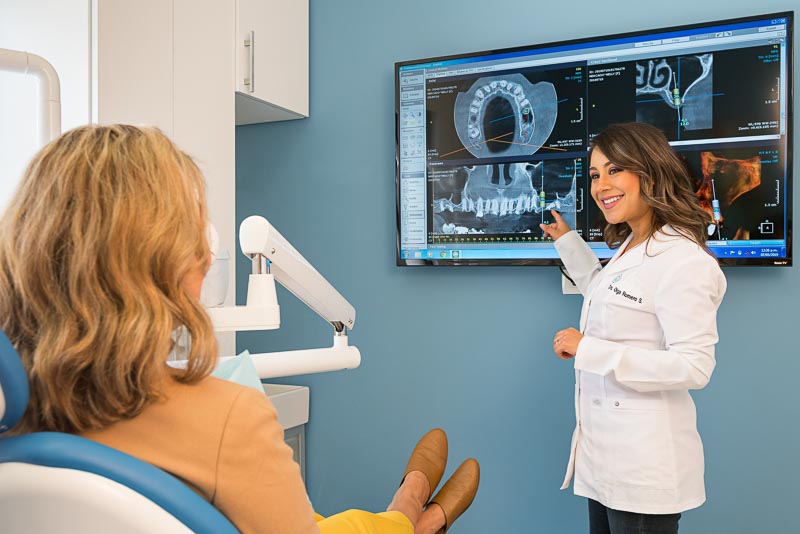
Dr. Nestor Marquez, SOTA Dental’s lead training doctor, teaches these real-world decisions in the Clinical Excellence Program. Participants review CBCT scans, plan their cases, practice on 3D-printed models, and then observe how actual bone quality and implant stability affect the surgical and loading strategy. During surgery, Dr. Nestor Marquez provides constant supervision and explains when the original plan should be modified.
Doctors seeking hands-on mentorship in immediate full-arch loading can review the specialized Clinical Excellence Program led by Dr. Nestor Marquez and apply at https://sotadental.com/doctors-clinical-excellence-program/.