Managing a failed implant in an immediately loaded full-arch case begins with determining whether the implant has truly failed, whether the problem is isolated or affects the entire prosthesis, and whether continued loading could compromise the remaining implants. Mobility, pain, infection, radiographic changes, loss of integration, screw or prosthetic movement, and changes in occlusion should be evaluated promptly. A loose prosthesis or screw should not be mistaken for implant failure, but a mobile implant should not remain splinted indefinitely without diagnosis.
If failure is confirmed, the clinician should evaluate when it occurred, the probable cause, the implant’s position, the condition of the surrounding bone and soft tissue, and the biomechanical role the implant played in the arch. Early failure may be related to inadequate primary stability, excessive micromovement, overheating, infection, unfavorable bone quality, implant malposition, prosthetic misfit, or excessive occlusal force. Identifying the cause is important because simply replacing the implant without correcting the underlying problem may lead to another failure.
The failed implant may need to be removed with the least traumatic method appropriate for the situation. The site should be assessed for infection, defect size, remaining cortical support, and whether immediate replacement is biologically and mechanically reasonable. In selected cases, a new implant may be placed in the same or an adjacent position if adequate healthy bone and stability can be obtained. In other cases, the site should be grafted or allowed to heal before another implant is considered.
The provisional restoration must also be reassessed. If the remaining implants are stable, well distributed, and capable of supporting the healing prosthesis, the failed implant may be disconnected or removed from the provisional while the prosthesis is modified. Cantilever length, occlusal contacts, passive fit, and material strength should be reviewed. If losing the implant creates inadequate support or unstable biomechanics, the clinician may need to remove the fixed provisional, convert to a removable interim prosthesis, place an additional implant, or delay loading.
A post-failure review should include the fit of the provisional, cylinder connections, screw stability, implant distribution, patient diet, parafunction, hygiene, and compliance. The opposing dentition and occlusal scheme may reveal concentrated loading that contributed to the problem. Follow-up should be more frequent until the stability of the remaining implants and the revised prosthesis is clear.
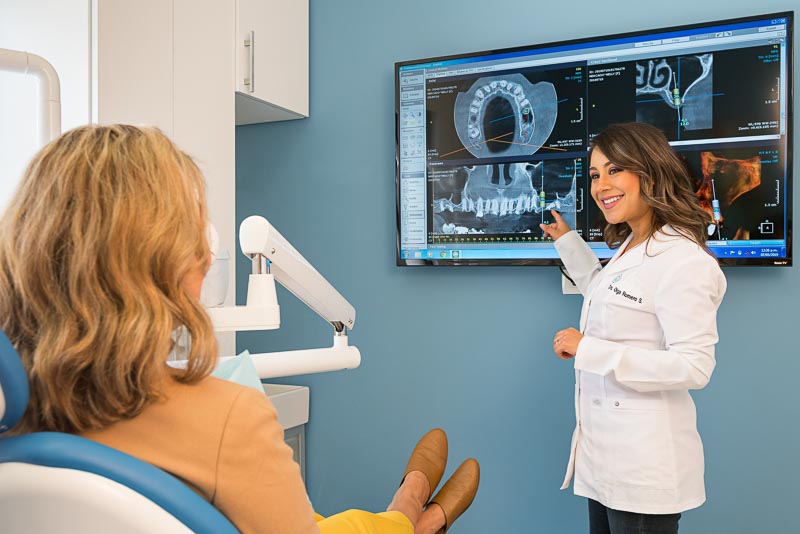
In SOTA Dental’s Clinical Excellence Program, Dr. Nestor Marquez teaches doctors to think beyond the failed fixture and evaluate the entire full-arch system. Participants study real CBCT information, surgical anatomy, implant distribution, provisional design, and rescue options. During live patient care, Dr. Nestor Marquez provides constant supervision and explains when an implant can be replaced, when it should be left to heal, and when the loading plan must change.
The program helps experienced dentists build the judgment required to manage complications without allowing schedule pressure or prosthetic expectations to override patient safety. Qualified doctors can apply at https://sotadental.com/doctors-clinical-excellence-program/.